
Provencal stoneware: rustic and practical
Grès Stoneware has been a feature of Mediterranean life for centuries. Celebrated for its durability, stability and rustic simplicity Grès (stoneware) has become a sought-after collector's item for its country chic charm.
Less widely associated with Provence than faience, Grès (stoneware) has nevertheless, a long history in the region preserving and serving the staples of the Provence. Over the years it has been known as: an amphora for winemaking, a jar for fermenting foods, a cooling pitcher for beverages and a storage canister for oils and spices.
Vintage stoneware from this region often dates back to the 19th and early 20th centuries, with several iconic pieces being much sought after.
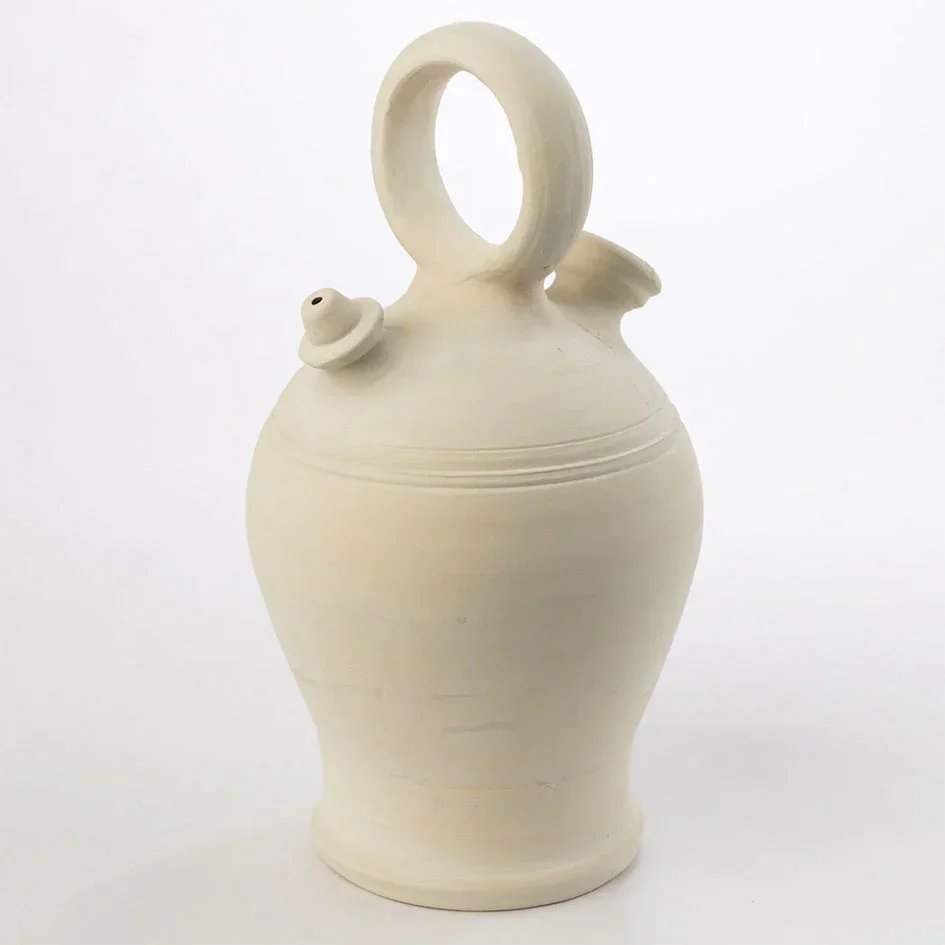
Gargoulettes & Orjols): Originally designed to keep water cool in the dry heat, villagers used these unique items: gargoulettes (pitchers with a handle and spout) and orjols (large jugs with narrow necks). Both are now much imitated collector’s items.

Biot Jars: Perhaps the most iconic vintage of grès pottery shapes, these large, bulbous jars (often in an organic shape with a distinctive "mustard" yellow glazed rim) were used to store olive oil and now become planters and beautiful objects on many a terrace.
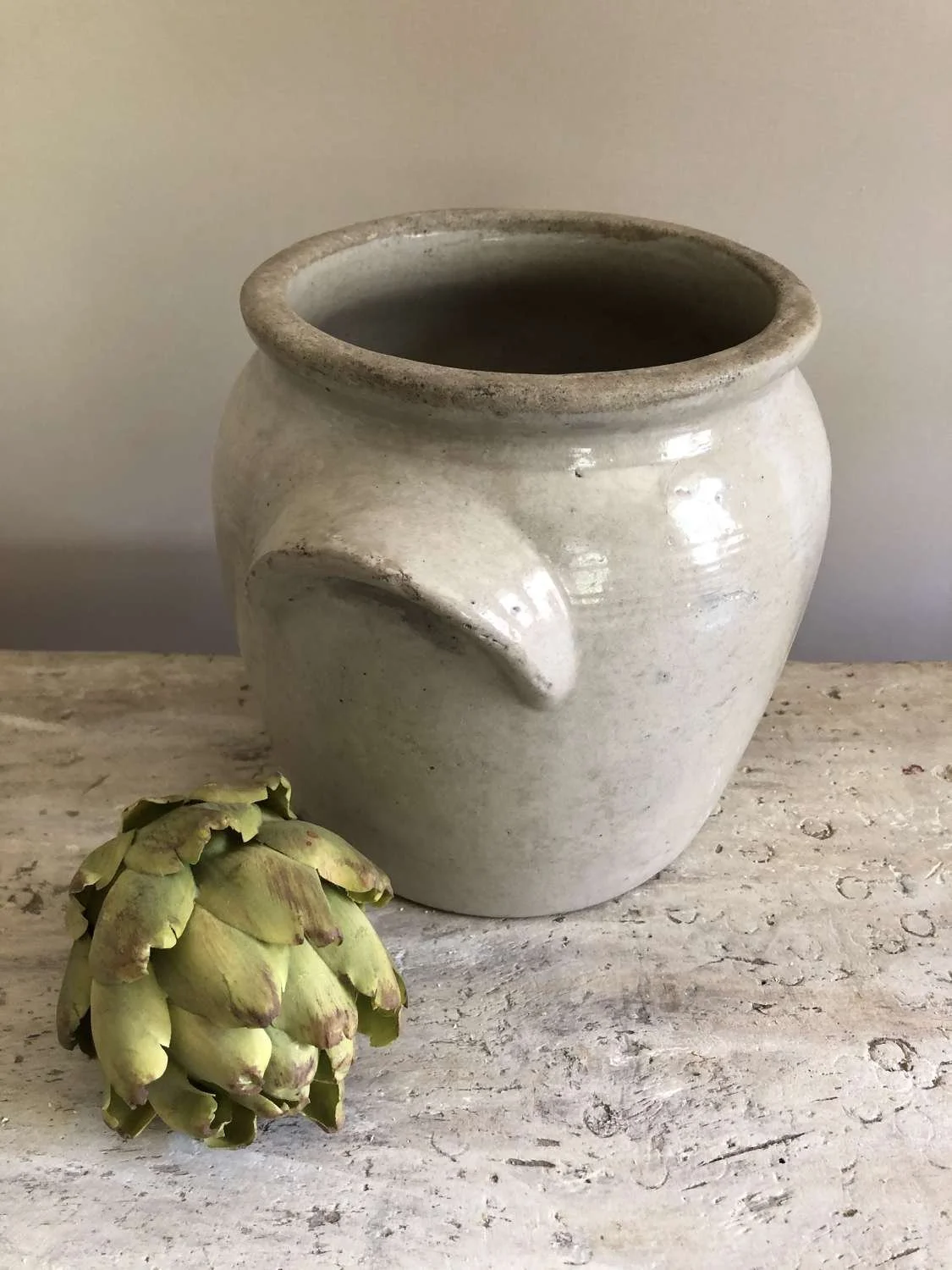
Confit Pots: Traditionally used to store meats preserved in fat, these pots are recognizable by their vibrant yellow or green glazes. Today, they are classic decorative items for kitchens and highly effective as the pottery does not absorb the fats or odours of the meet and spices.
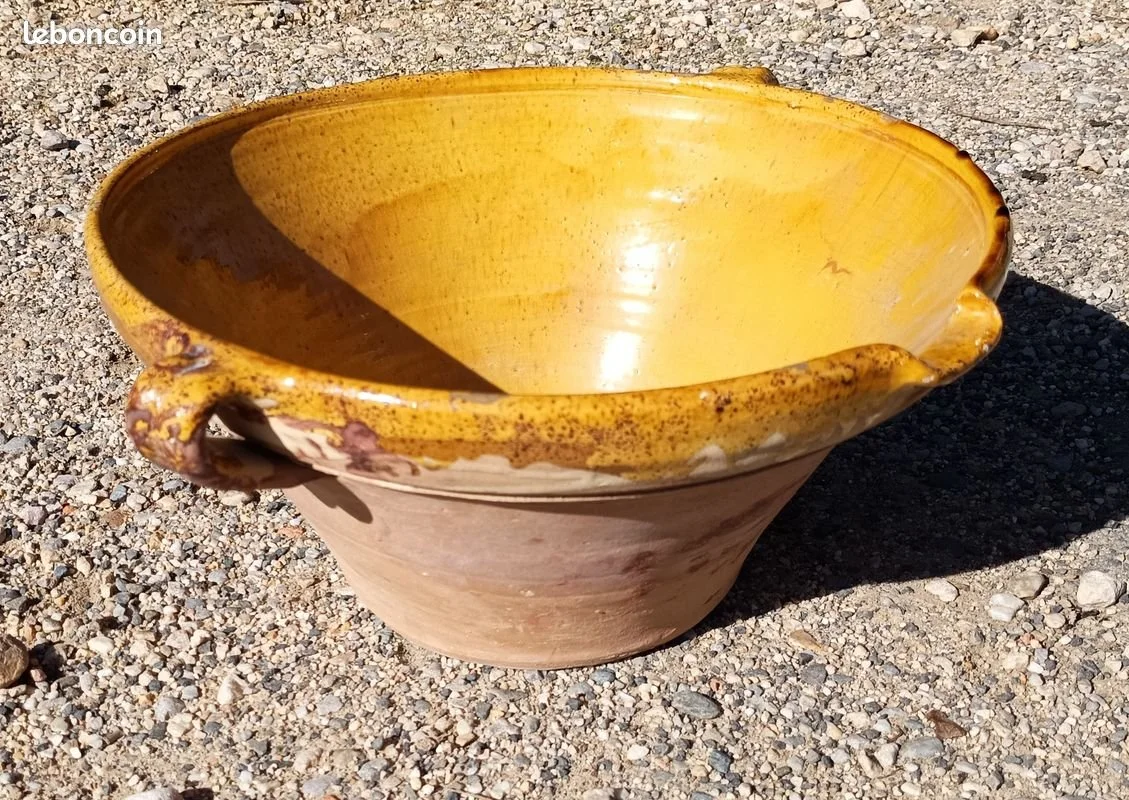
The Tian : A large, shallow, flared bowl used for both preparation and serving, often partially glazed in warm earth tones. An iconic shape emblematic of simpler times.